

St. Gallen-Rorschach
Partner
Hier könnte das Logo Ihres Unternehmens zu sehen sein
Info dazuOutdooractive-App

Navigation

Steinach near the Mühleggbahn - retreat of Gallus

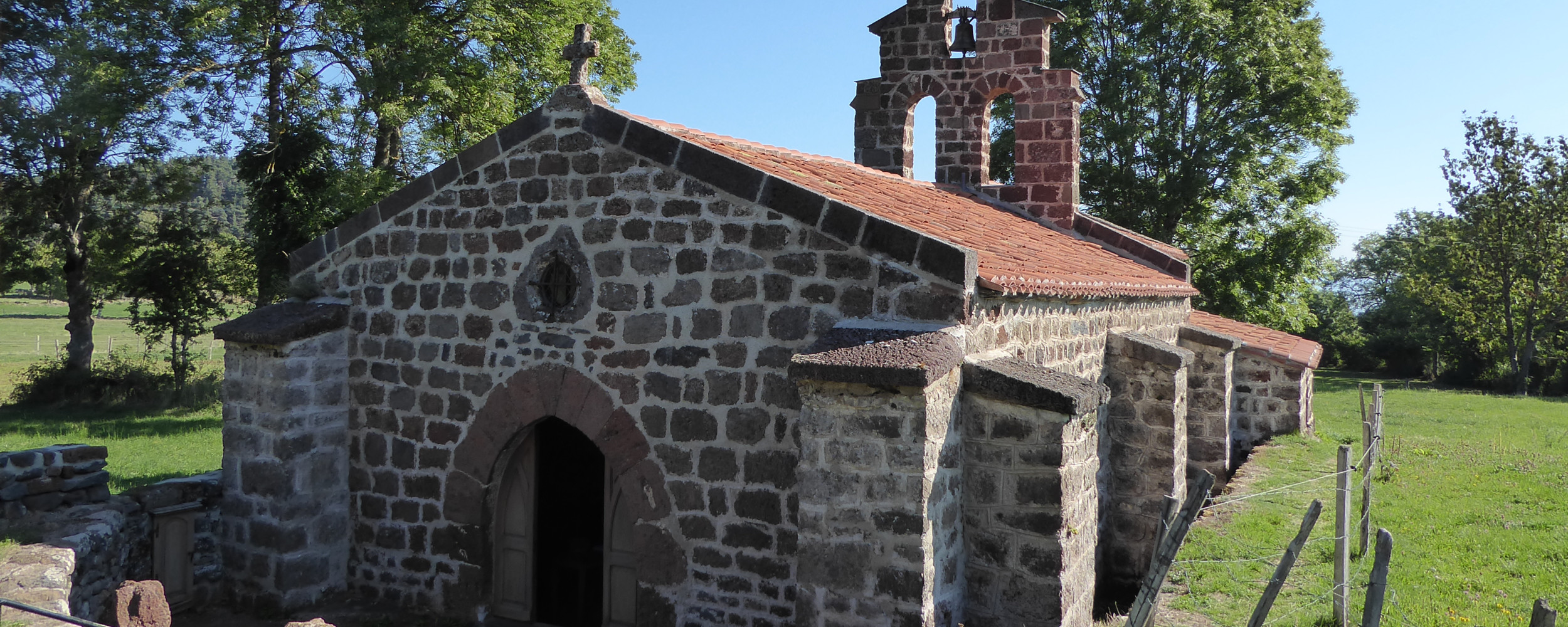
Gallus Chapel in Arbon
Steinach was first mentioned in 769 in connection with the return of the body of Otmar from the island of Werd (at the outflow of the Rhine from Lake Constance). Otmar was sentenced to death by starvation in 759, then pardoned and sentenced to life imprisonment on the island of Werd, where he died in the same year. Ten years later, monks from the monastery of St. Gallen transferred the body back to their monastery.

Columban plaque at the Gallus Chapel in Arbon
At the place Steinach, the river Steinach flows into Lake Constance. Three countries border this lake: Switzerland, Austria and Germany. The Roman naturalist Pliny the Elder called Lake Constance Lacus Raetiae Brigantinus after the then place Brigantium (today Bregenz).
In Rorschach we expect the Columban Church built in 1438, the Jakobsbrunnen (Angelus ringing) and the Kornhaus with museum.
Tipp des Autors
Excursion tips for rest days at Lake Constance: Swiss natural remedy manufacturers Regena AG and/or Ceres Heilmittel AG and/or Max Zeller Söhne AG experience. Or with the oldest cogwheel railway (1875) to Heiden to the natural remedy practice & remedy manufactory Gesundes Wissen GmbH make.
Orte entlang des Weges
We start today's stage at the nucleus of the city, at the Mühlenenschlucht, where Gallus founded his hermitage in 612. On beautiful neighborhood streets we reach St. Fiden, a district of St. Gallen. After crossing the railway tracks, we leave the asphalt road and follow the Steinach into the impressive Galgentobel. More or less along the Steinach, the path marked as Gallusweg leads through meadows and forests to the place Steinach and from there along the lake to Arbon.
Arbon goes back to the Romans and was originally called Arbor Felix (Latin for "happy tree"). The place was located as a fortified post station at the crossroads of the route Vitudurum (Winterthur) – Constantia (Constance) – Brigantium (Bregenz) – Curia (Chur). The Roman castrum is already attested in the 4th century.
After Lake Zurich, the Lake Constance shore was also inhabited since the Stone Age. Pile dwelling settlements of the Pfyn culture from the Neolithic and Bronze Age have been proven. The houses mostly consisted of wood and were built on stilts due to the swampy ground.
Arbon is of great importance for Columban and Gallus. When Columban settled in Arbon with his monks in 610, they encountered a Christian community in a fortified settlement, called Castrum. The local priest Willimar advised them to move to the decaying former Roman settlement Brigantium, today Bregenz, which they did.
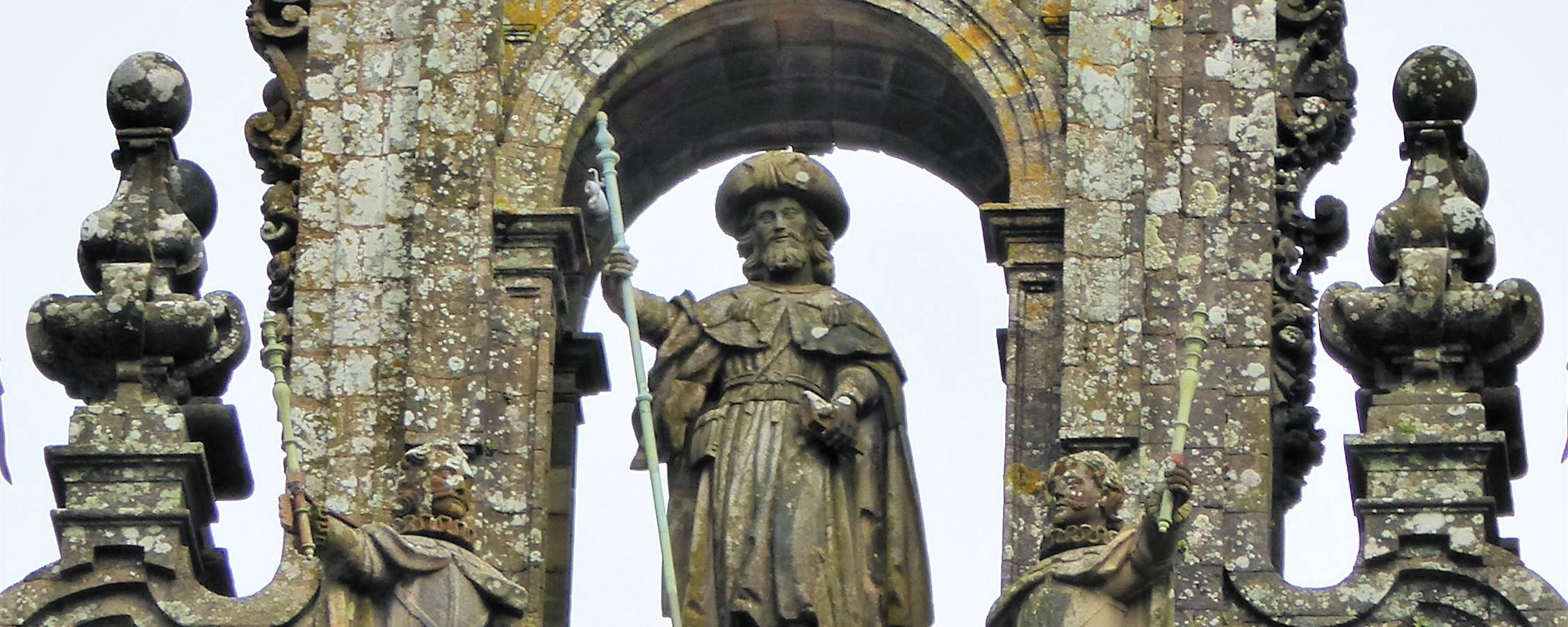
Around the year 1000, Rorschach was a transit place for many pilgrims (the Jacob pilgrims to Santiago de Compostela and the Einsiedeln pilgrims). On today's Kronenplatz stood the Jakob Chapel, a resting place for pilgrims. It was demolished in 1833 and as a reminder the Jakobsbrunnen was built. Even today, the bell rings twice daily for the Angelus.
We reach Rorschach on a pleasantly walkable beach path.
Attractions in Rorschach include the parish church St Columban and Constantius, the Jakobsbrunnen, the Kornhaus (by the harbor on the lake) and the former Mariaberg Monastery (today a teacher training college).