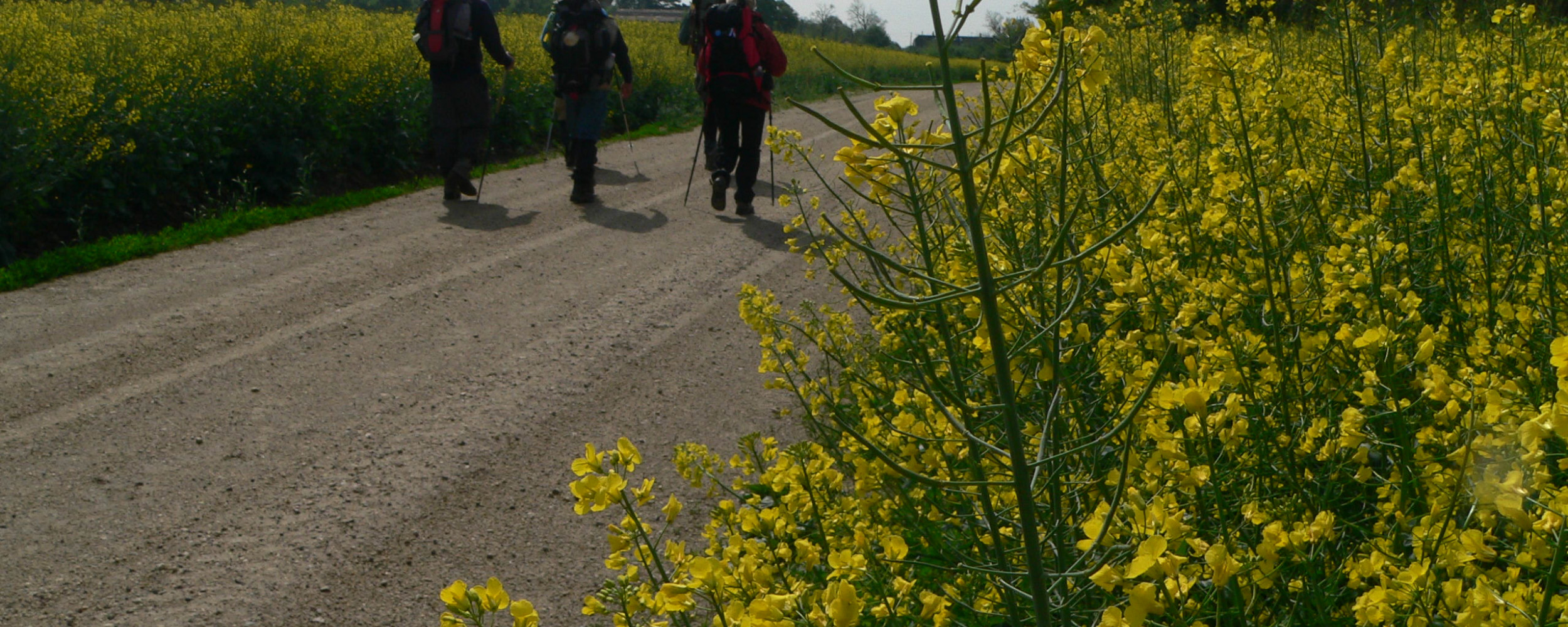
Behind Nagyigmánd
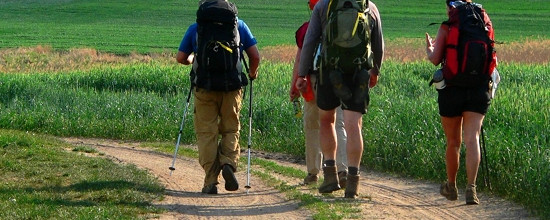
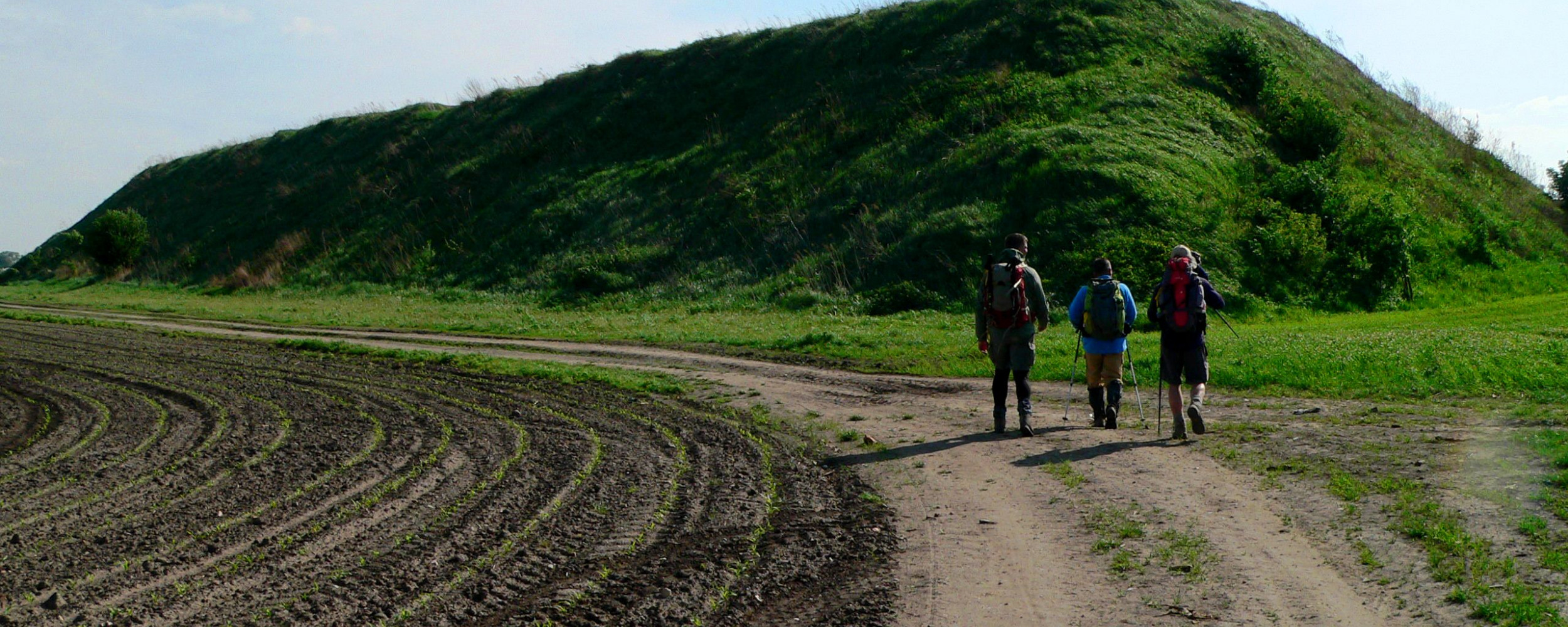
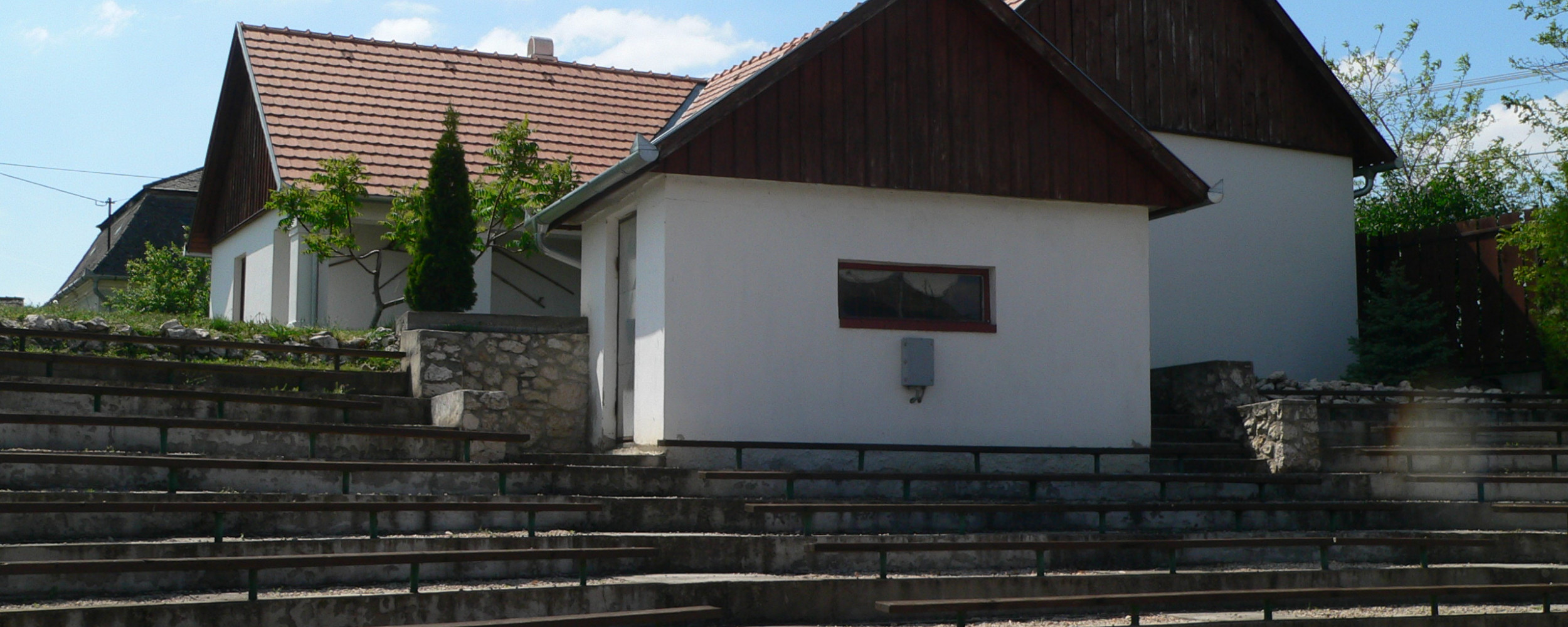
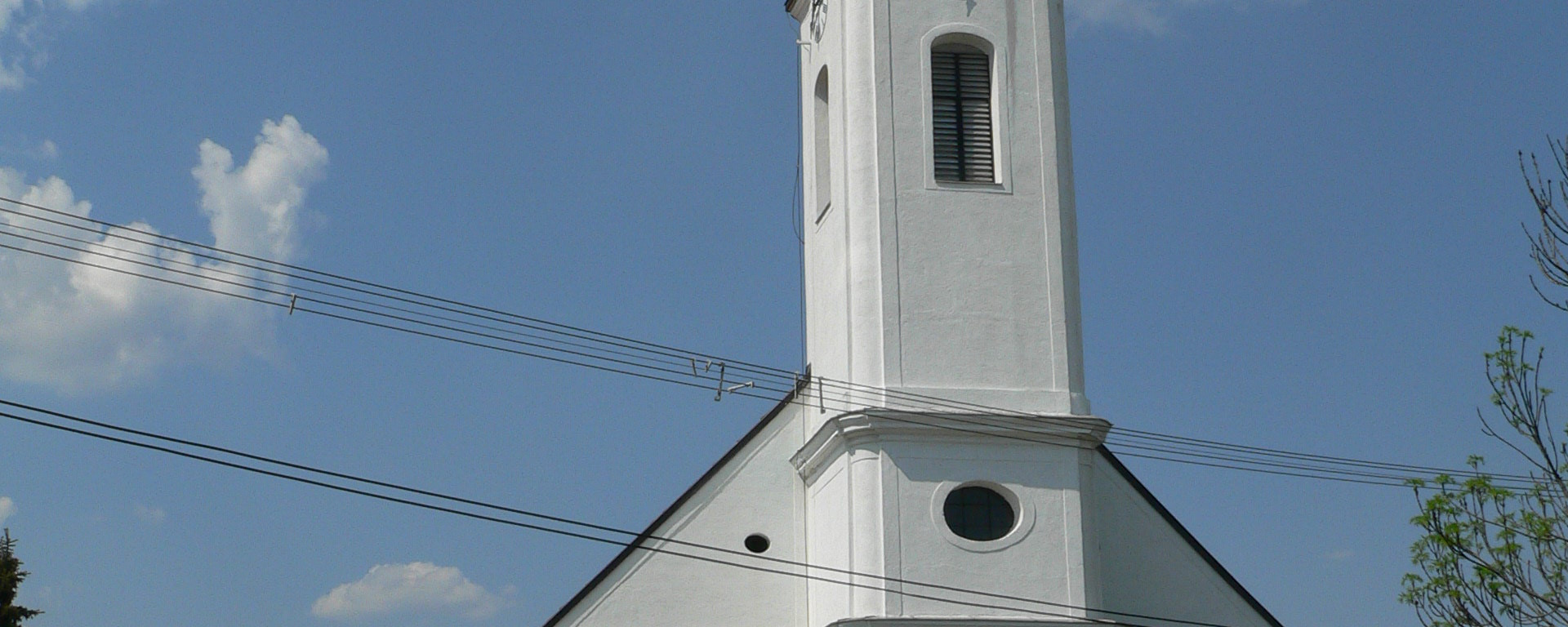
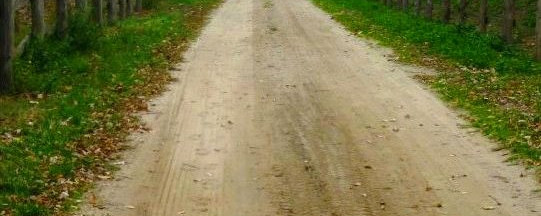
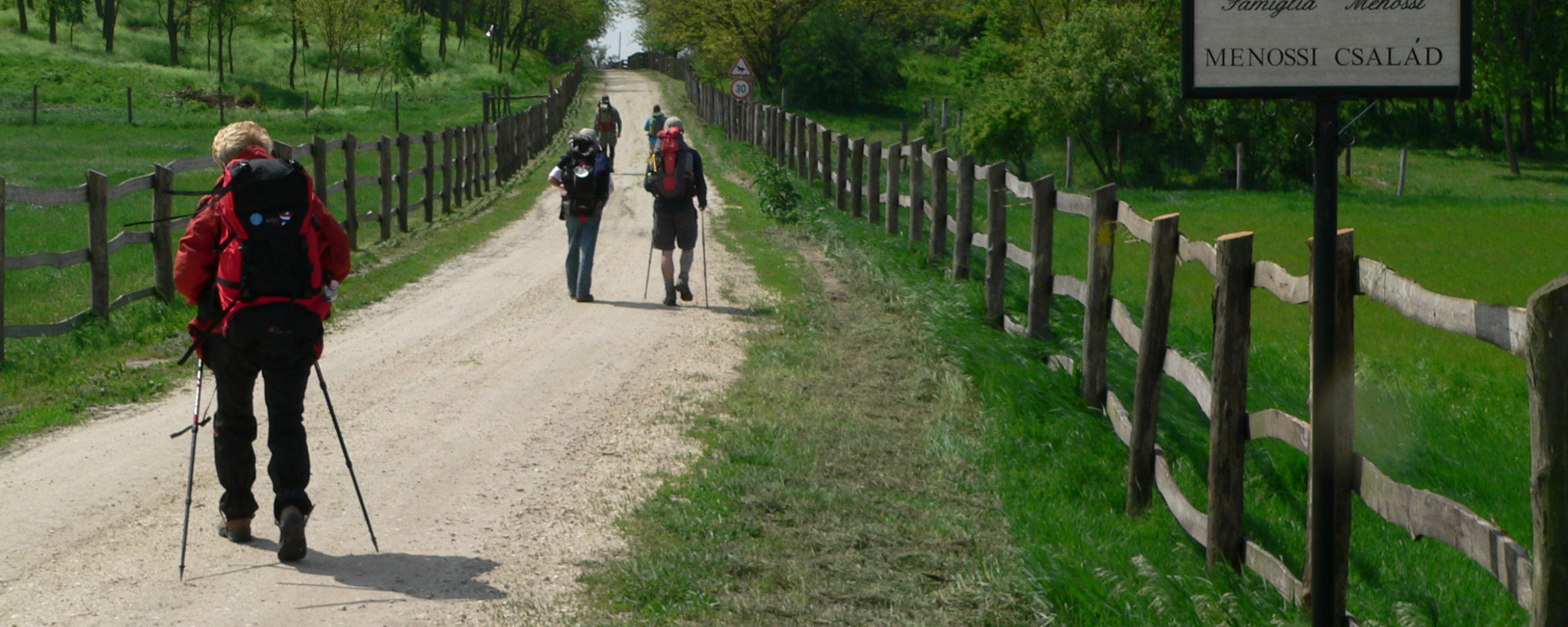
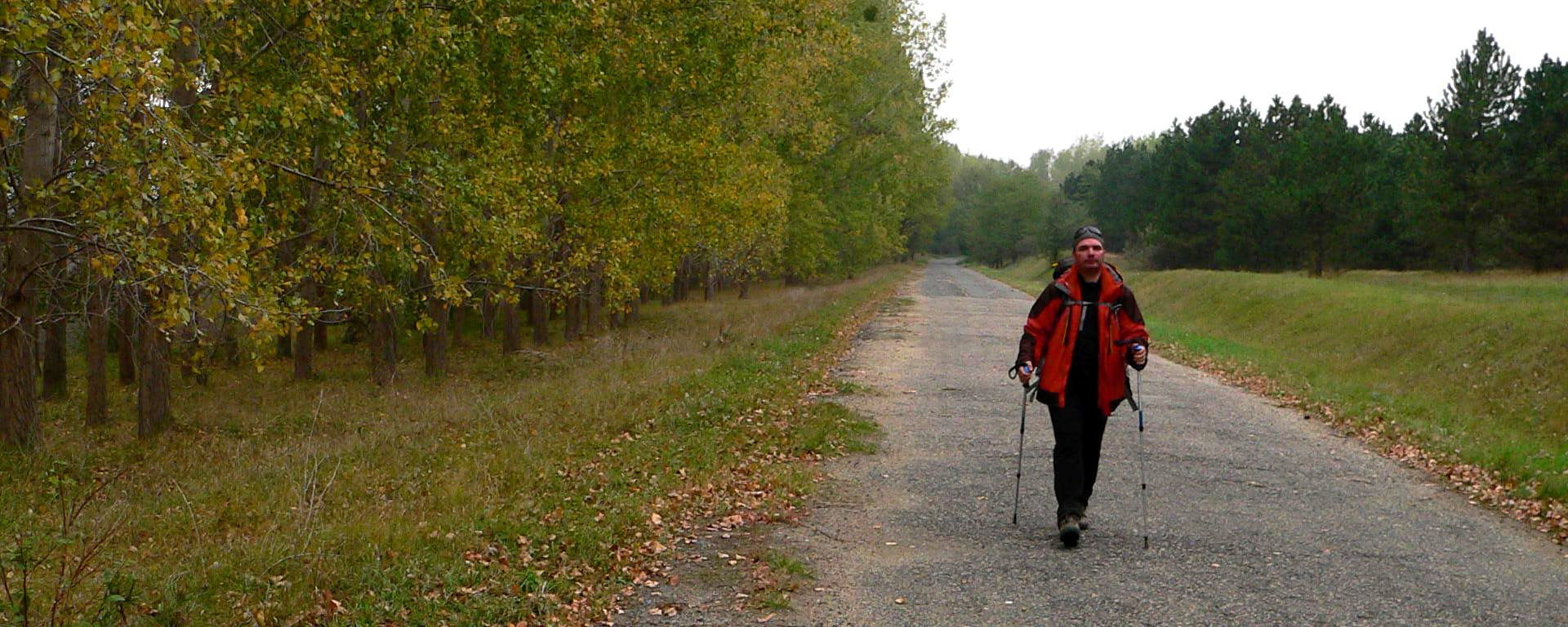
Today's route leads exclusively over flat terrain. In Nagyigmánd, the path runs alongside a lightly trafficked road. A bit further ahead, we turn off and walk through a farmyard; shortly after, we pass a homestead and arrive at Makkpuszta, the former property of the Eszterházy family. Today, Makkpuszta belongs to the Italian Menossi family, who are gradually renovating and restoring the estate. The gentle renovation respects the remaining values and allows the horse stud farm, world-famous in the 1900s, to flourish again. From the Menossi estate, we continue on an agricultural access road to Ete, where we can see a very beautiful Reformed church and a very nice collection of local signs. Before leaving Ete, we can look at the first of 106 significant wine cellars on the hillside. In good weather, at the end of Ete, we can already see the white building of the Pannonhalma Abbey. Our path then leads us, surrounded by fields on both sides, to Kisbér. Here, in 1853, Emperor Franz Josef founded the horse breeding establishment and, based on his expertise, the stud farm. This is still evidenced today by the buildings of the Hungarian royal stables. Kisbér is a lively small town with sights, accommodation options, restaurants,

In front of Makkpuszta
Note(s)
The Way of St. James in Hungary from Budapest to Wolfsthal runs continuously on the western or southern side of the Danube. Wolfsthal lies slightly southwest of Bratislava, so the continuation of the route westward from Wolfsthal also becomes a path for pilgrims coming from Slovakia.
There are no tourist trail markings on this stage; we follow the Way of St. James markings until the end.
Orte entlang des Weges
Nagyigmánd - Makkpuszta - Ete - Kisbér